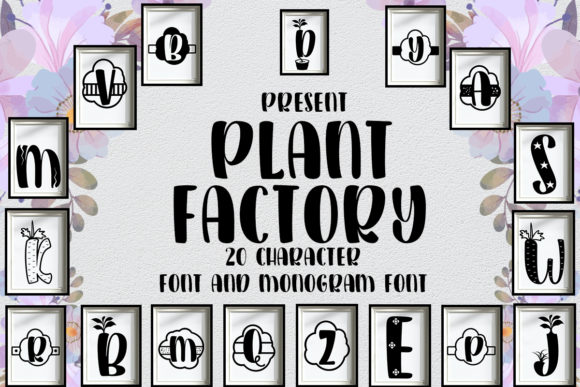
Plant Factory: A Quirky Font for Creative Projects
When I began redesigning my lifestyle blog, I knew the right font could transform the entire reading experience. After testing several options, I landed on Plant Factory—a fun and quirky display font that adds a playful yet professional touch to any project.
Plant Factory has a distinct visual character that feels both modern and nostalgic. Its rounded edges and slightly uneven strokes give it a handcrafted quality, making it ideal for branding that wants to feel approachable and creative. The font’s personality is light and friendly, with a rhythm that flows naturally across the page, inviting readers to engage without feeling overwhelmed.
One of the first places I used Plant Factory was on the blog header. It added a fresh, eye-catching element that set the tone for the content. The font’s unique details made it stand out while still maintaining a sense of balance with the rest of the design. It felt like a breath of fresh air in an otherwise clean and minimal layout.
For a recipe ebook I was working on, Plant Factory proved to be a perfect fit for the title and chapter headings. Its whimsical style complemented the casual, homey vibe of the content. I paired it with a classic serif font for the body text, creating a contrast that enhanced readability without sacrificing visual interest.
Plant Factory also works well in social media graphics and printable guides. Its bold, decorative elements make it great for pull quotes, headlines, and decorative accents. Whether it's a wedding guide, a coaching workbook, or a digital magazine layout, the font adds a layer of personality that can’t be ignored.
As I explored different uses for Plant Factory, I found it particularly effective in newsletter headers and editorial features. The font’s charm helped create a more engaging and memorable reading experience, especially when used alongside simpler, more functional fonts for the body copy.
While Plant Factory excels as a display font, it’s not meant for long blocks of text. Its intricate details can become distracting when used in extended paragraphs, so it’s best reserved for titles, subtitles, and other short-form elements. That said, when used thoughtfully, it can add a delightful touch to any design.
In a printable planner I designed, I used Plant Factory for section headers and key dates. The font’s playful nature made the pages feel more dynamic and less static. It also helped differentiate between sections, improving the overall usability of the product.
Readability is always a concern, especially when designing for digital and print formats. Plant Factory holds up well on screens and in PDFs, but it’s important to test it at various sizes to ensure clarity. For print materials, the font’s subtle variations can add a nice texture without compromising legibility.
When pairing Plant Factory with other fonts, I found that it works best with clean, readable typefaces. A serif font like Georgia or Garamond provides a strong foundation for body text, while a sans serif like Lato or Open Sans keeps captions and navigation elements easy to read. This combination creates a balanced look that’s both stylish and functional.
Before using Plant Factory in any project, it’s worth checking the included styles, alternates, and ligatures. These features can add depth and variety to your design, allowing for more creative expression. Additionally, ensuring the font supports the languages you need and comes in the right file formats is essential for smooth integration into your workflow.
Commercial licensing is another consideration, especially if you’re using the font in paid products or client work. Always verify the license terms to avoid any legal issues down the line.
Overall, Plant Factory is a versatile and charming display font that brings a unique energy to any design. Whether you're working on a blog header, a recipe ebook, or a printable guide, this font can help elevate your content and create a more engaging experience for your audience.
Its playful yet refined nature makes it a great choice for anyone looking to add a touch of creativity to their projects. With careful use and thoughtful pairing, Plant Factory can become a valuable asset in your design toolkit.