Bubble Gum Font for Web Design
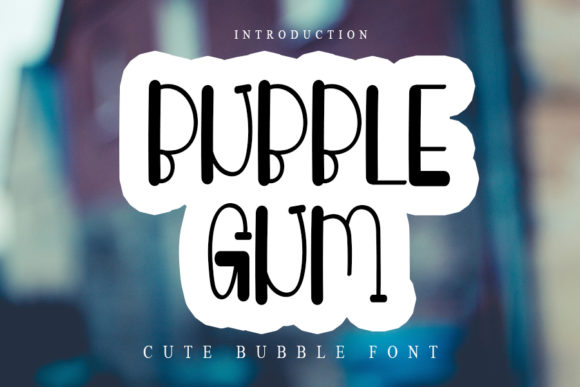
Bubble Gum is a cute and thin lettered display font that brings a playful personality to digital design. Its soft curves and whimsical structure make it ideal for children-themed projects, but its versatility extends beyond that. As a web designer, you can use Bubble Gum to create engaging visual hierarchies and brand identities that stand out in a crowded online space.
When working with web layouts, Bubble Gum shines in headers, call-to-action buttons, and decorative accents. Its light weight and open spacing ensure readability even at smaller sizes, making it suitable for mobile screens and responsive designs. The font’s friendly appearance also helps build trust and approachability, which is crucial for brands targeting younger audiences or creative industries.
Using Bubble Gum in Digital Layouts
Bubble Gum works well in hero sections, landing pages, and social media graphics where bold, eye-catching text is needed. For example, on a creative portfolio site, using Bubble Gum for the project titles adds a unique touch that complements modern UI elements. On an online store, it can be used for promotional banners or product headings to draw attention without overwhelming the user.
In conversion-focused layouts, such as course sales pages or SaaS landing pages, Bubble Gum can be used sparingly for headlines or subheadings. Pairing it with a clean sans serif font for body copy creates a balanced contrast that enhances readability while maintaining a cohesive look. This pairing is especially effective for branding that wants to feel both professional and approachable.
Designing with Bubble Gum
The font’s thin strokes and rounded edges make it perfect for short phrases, logo text, and decorative elements. When designing a coaching website or a blog header, Bubble Gum can add a personal, handmade feel that resonates with users. It’s also great for creating custom illustrations or icons that integrate seamlessly with the overall design.
For digital ads and banners, Bubble Gum helps break up monotony and add visual interest. Its bright, cheerful style pairs well with vibrant color schemes, making it a strong choice for marketing campaigns targeting kids or youthful demographics. However, it’s important to use it strategically—overusing it can reduce legibility and dilute its impact.
Readability and Responsive Design
When using Bubble Gum on mobile screens, ensure there’s enough spacing between letters and lines to maintain clarity. On small buttons or dark backgrounds, consider adjusting the font size or adding a subtle shadow to improve visibility. For image overlays, using a lighter version of the font or reducing its opacity can help it blend naturally without distracting from the background.
Responsive design requires careful consideration of how Bubble Gum scales across different screen sizes. At larger sizes, it maintains its charm, but at smaller sizes, it may become harder to read. Testing it in various contexts will help determine the best usage scenarios for your project.
Font Pairing and Brand Identity
Pairing Bubble Gum with a simple sans serif font like Open Sans or Lato can create a harmonious balance between creativity and clarity. This combination is ideal for websites that need to feel both modern and accessible. For editorial designs or packaging, pairing it with a serif font like Georgia or Playfair Display can add a more refined and traditional touch.
If you’re building a brand identity, using Bubble Gum consistently across logos, social media profiles, and marketing materials helps reinforce recognition. Its playful tone aligns well with brands that want to feel fun and innovative. However, it’s important to check if the font includes multiple weights or styles to support different design needs.
Commercial Use and Licensing
Before using Bubble Gum on a website, landing page, or client project, verify the commercial license terms. Many premium fonts require proper licensing for web use, especially when distributed across multiple platforms or included in digital templates. Always review the font’s file formats, such as WOFF or TTF, to ensure compatibility with your design tools and web hosting environments.
For online stores, e-commerce sites, or SaaS platforms, using a licensed font ensures legal compliance and avoids potential issues with copyright infringement. If you're creating a brand kit or digital asset, including Bubble Gum in your typography guidelines can help maintain a consistent visual language across all touchpoints.
Bubble Gum is more than just a decorative font—it’s a tool that can enhance your digital design work and strengthen your brand’s visual presence. Whether you’re building a creative portfolio, launching a new product, or redesigning a website, this font offers a fresh and inviting way to communicate your message with style and purpose.